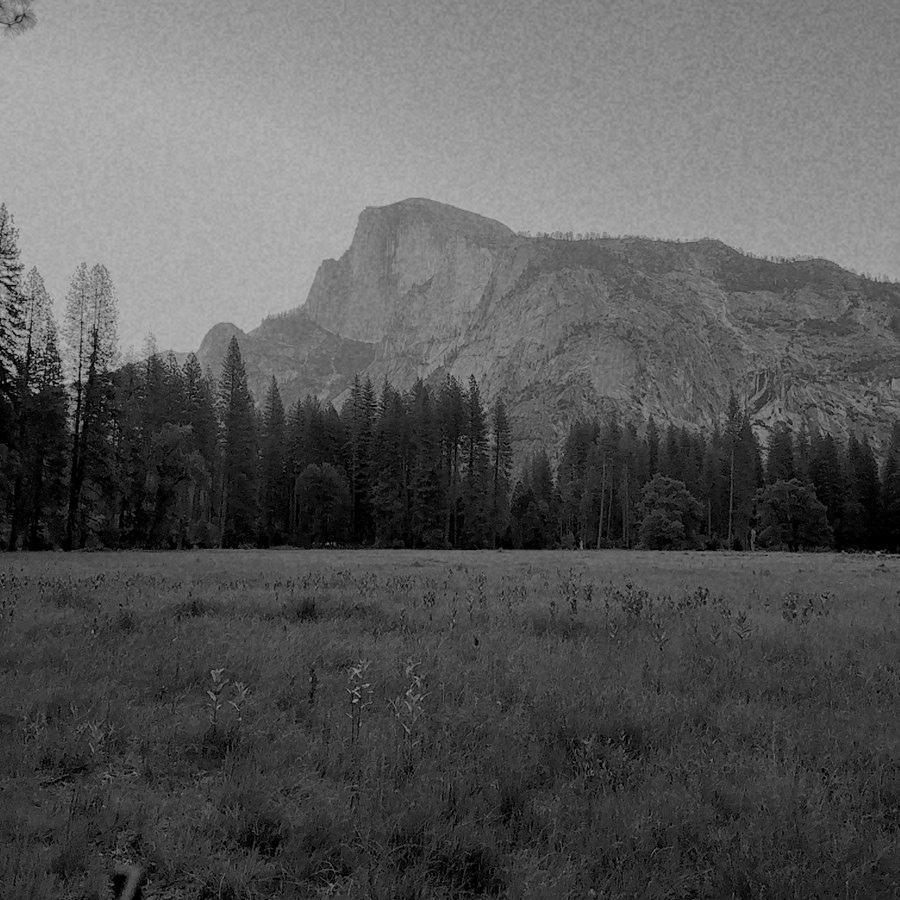
The finder shows the photograph.
Not a number.
Real screens from the app — including a real frame: El Capitan on Tri-X 400, with its exposure record kept alongside.
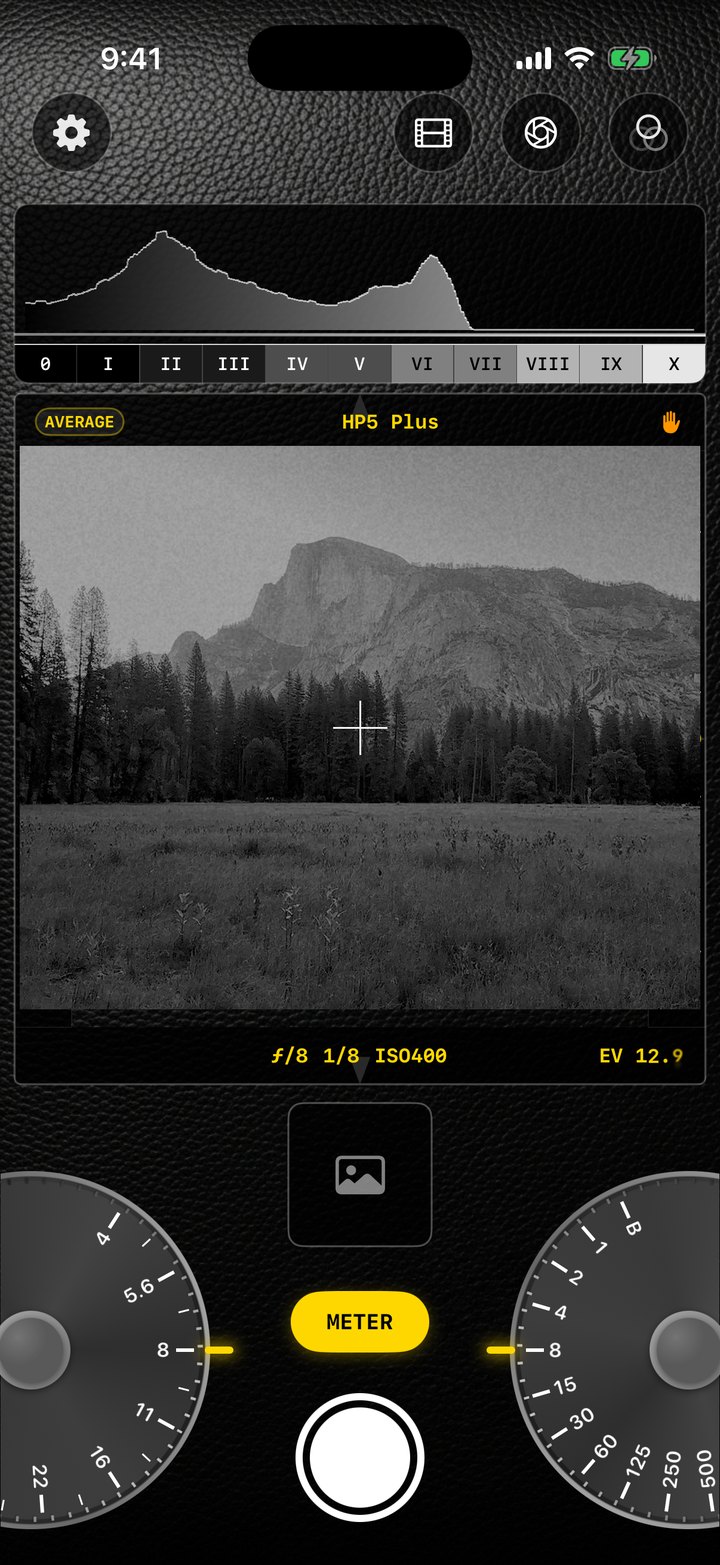
Meter any scene
ZONE RULER · DIALS · NEEDLE
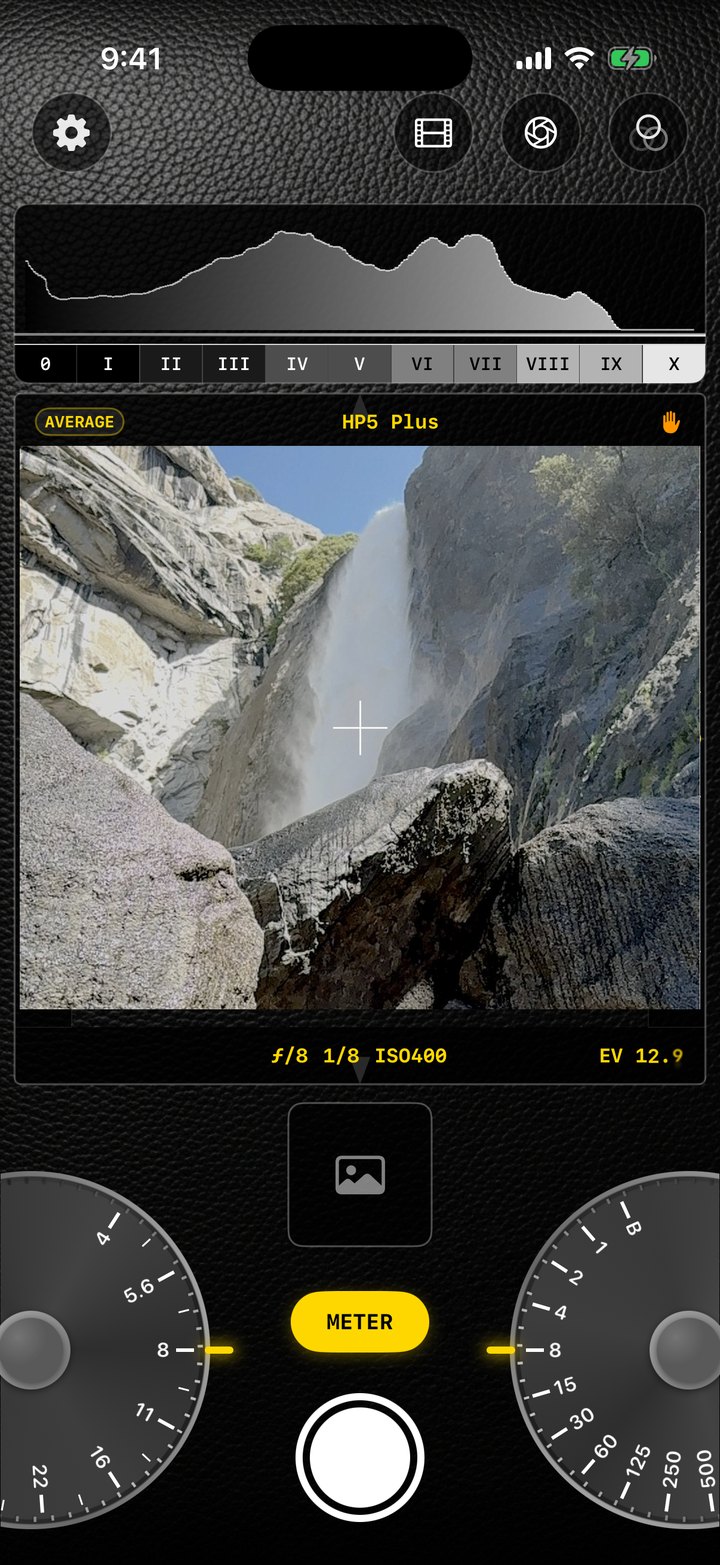
Place every tone
SPOT · INCIDENT · AE-L
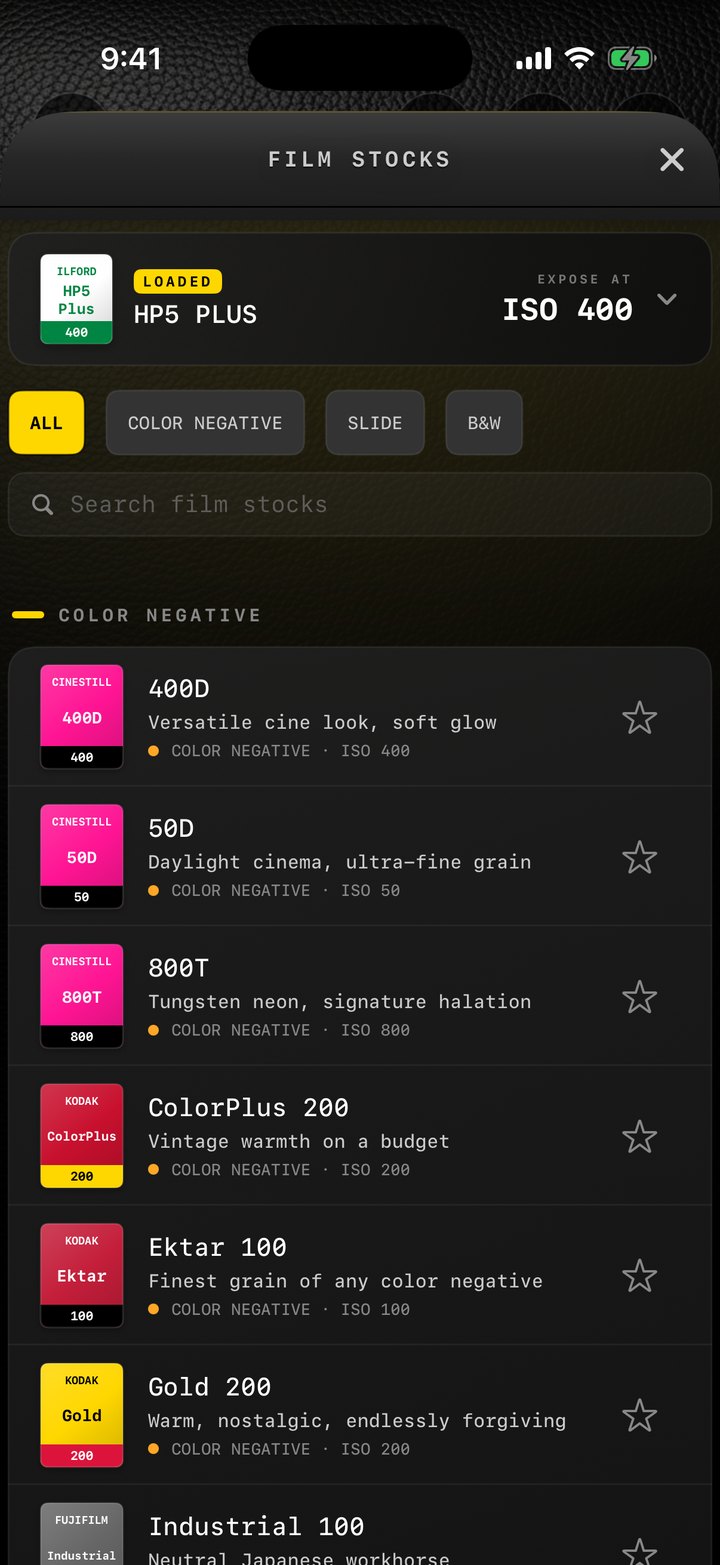
Load real film
30 STOCKS · PUSH/PULL
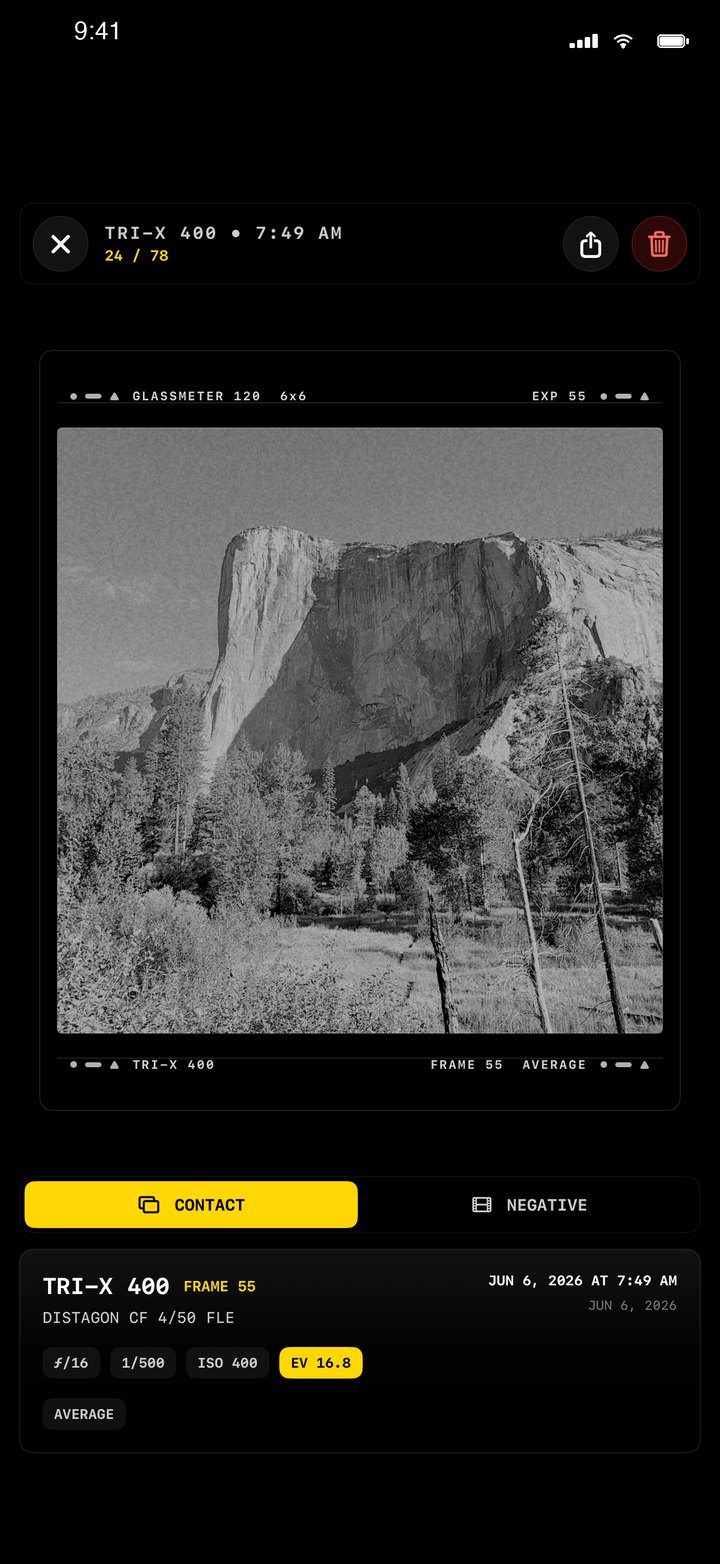
Frames that remember
EXPOSURE RECORD · EXIF
Everything you need to expose film perfectly.
A physics-grade meter and a live film simulation in one finder — so what you meter is what your negative gets.
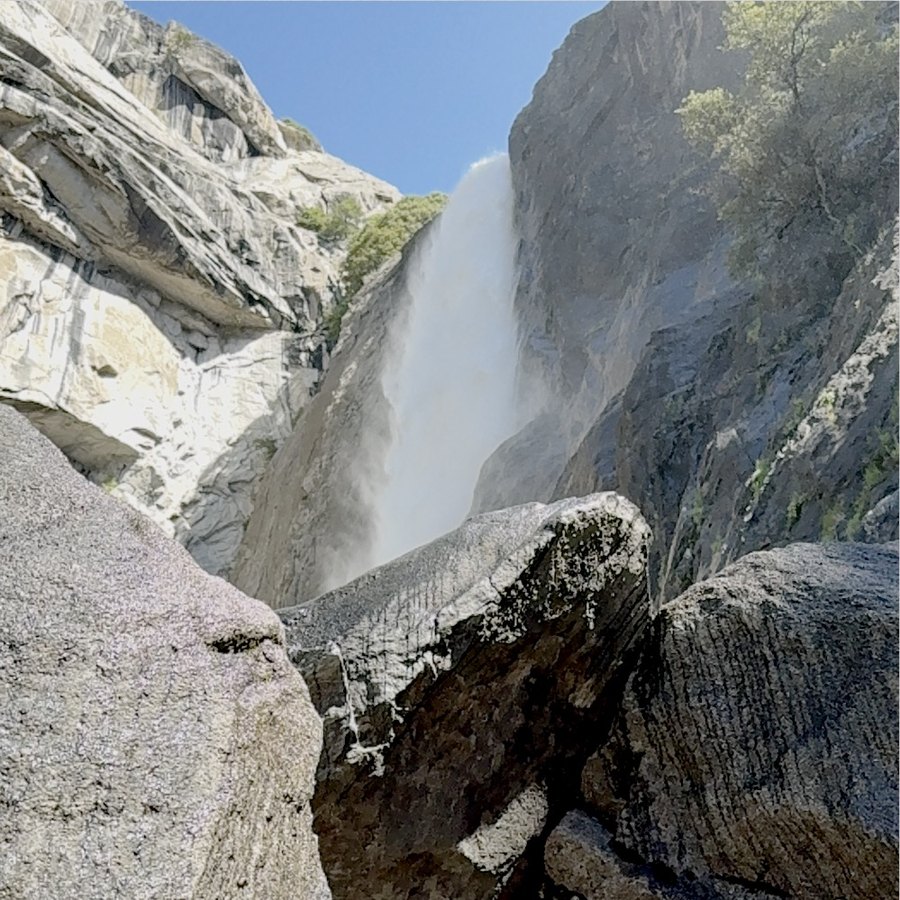
Spot, multi-spot & incident metering
Tap any tone to spot-meter it. Tap it again to pin it — up to five readings averaged in log space, the classic shadow/highlight placement workflow. Long-press for AE-L. Flip the chip for incident readings via the front camera.
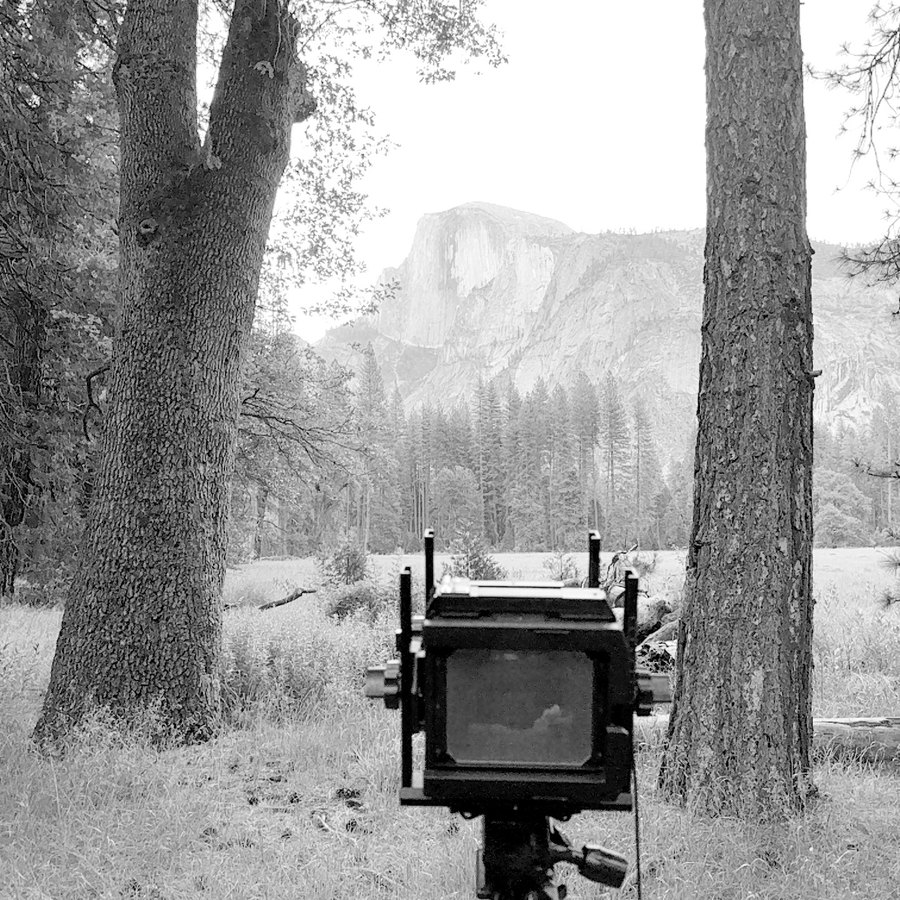
See your scene's dynamic range, live
S and H markers track the darkest and brightest regions in the frame with the stop spread between them — and the meter warns honestly when the sensor clips and the spread is only a lower bound.
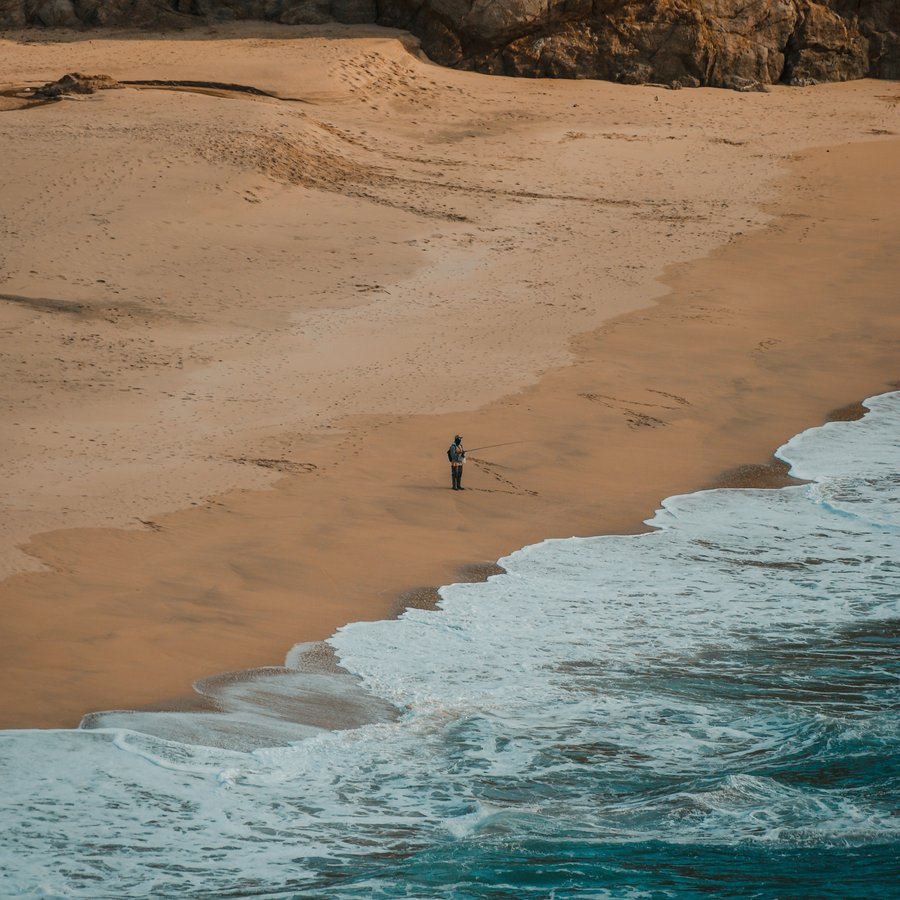
A meter that knows distance
LiDAR reads true distance up close; past its range, focus distance takes over — all on one rangefinder scale, with depth-of-field limits drawn for your dialed aperture. No handheld meter has ever done this.
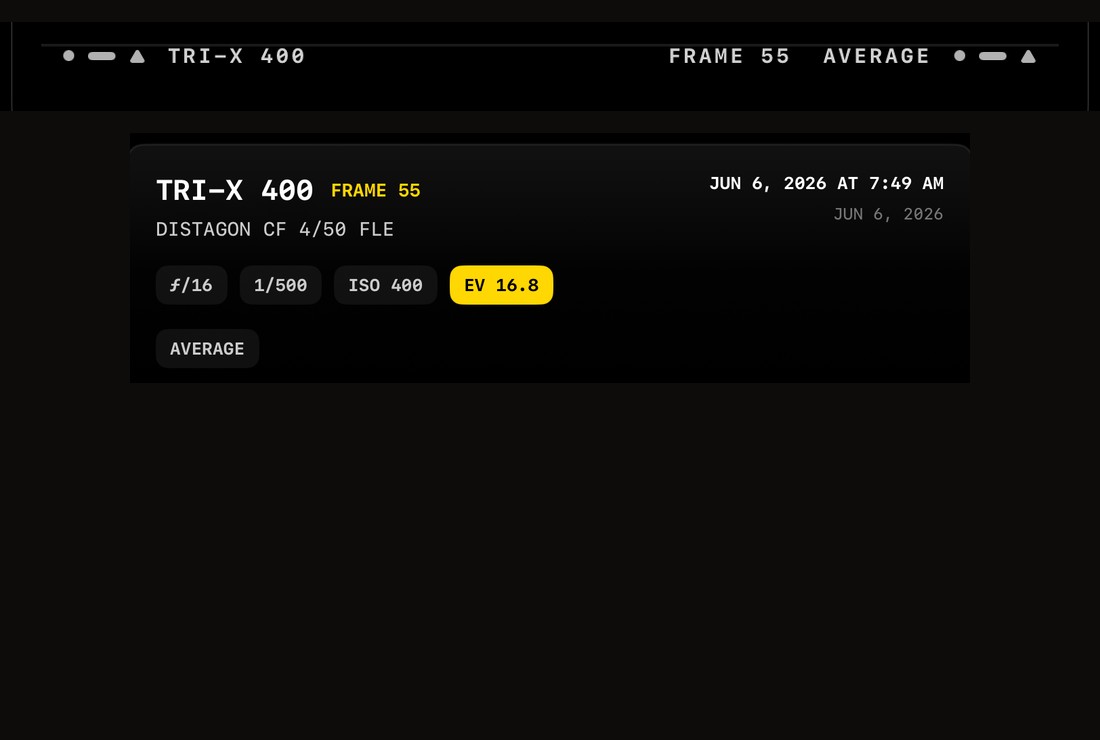
Every frame remembers
Film, lens, aperture, shutter, ISO, push/pull, spot readings — kept with every capture and carried into the EXIF. The notebook you always meant to keep, kept automatically.
11 zones, 1 stop each
An Ansel Adams zone ruler, not a generic histogram. RGB channel curves appear when you load color film, revealing per-channel clipping the luminance curve hides.
25.5 bins/zone · Rec.709 · linear-space
Long exposures, solved
Turn the shutter dial past 1s to B. GlassMeter recommends the exposure — including your film's reciprocity failure — and counts it down with haptics while you hold the shutter open.
per-film Schwarzschild · "+R" corrected
Dials you can feel
Knurled aperture and shutter dials with haptic detents, lockable for aperture- or shutter-priority. Press METER and the unlocked dial solves itself.
1s – 1/500 leaf · 1/2000 FE bodies
15 Zeiss V-system lenses
From the 30mm F-Distagon fisheye to the Tele-Apotessar 500, each with true field of view, aperture range, vignetting, and bloom character from the original Zeiss data sheets.
incl. Planar FE 2/110 · Biogon 4.5/38
Wratten-accurate filters
Yellow 8, Green 11, Orange 21, Red 25 with Kodak's published factors and spectrally-derived color response — a red filter really does turn blue sky near-black. Plus 81A, 85B, 80A for color work and a full ND set.
Kodak F-4017 factors
Frames worth posting
Share the photo, or share it as a contact-sheet film cell with edge markings and your exposure data. Every JPEG carries Hasselblad-style EXIF: body, lens, film, and the settings you dialed.
3× render · full EXIF + GPS
30 film stocks. Faithful to the datasheets.
One scene, every film — each swatch below is rendered by the same pipeline that runs in the app: real characteristic curves, real color profiles, real saturation. Tap a stock and see its personality.
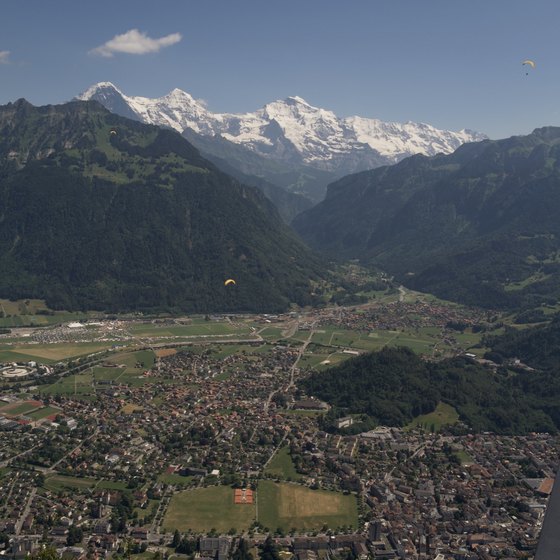
Push HP5 to 3200 and the grain compounds, the midtones steepen, and the toe stays protected — the way a real push behaves. Shoot 800T past a second and it drifts warm, because that's what reciprocity failure does to tungsten film.
Engineering notes, for the people who'll ask.
The simulation only matters if the math is right. It is.
| RENDER PIPELINE | 16-bit half-float, Display P3 wide gamut end-to-end. The Metal preview and the capture path share one effect implementation — what you see is bit-for-bit what you get. |
| METERING | Exact IEC 61966-2-1 linearization, Rec.709 luminance, geometric-mean (log-space) scene averaging so mixed scenes meter between their extremes instead of being dragged toward highlights. Per-frame hardware EV pairing — metadata never mixes with pixels from a different frame. |
| RANGEFINDER | ARKit scene depth from the LiDAR scanner, sampled at the metering point; near/far depth-of-field limits computed from your dialed aperture and the loaded lens's focal length on a logarithmic distance scale. |
| CHARACTERISTIC CURVES | Per-film toe, shoulder, and gamma parameterized from manufacturer H&D curves — Vision3's two extra stops of highlight latitude, T-MAX's no-shoulder straight line, slide film's hard cliff. |
| RECIPROCITY | Generalized Schwarzschild law fitted per film to published correction tables. Tri-X matches Kodak's table exactly (+1 stop @ 1s, +2 @ 10s, +3 @ 100s); Acros II and Provia 100F correctly don't fail until two minutes. |
| HALATION | A film property, not a lens effect: CineStill blooms because its remjet is gone; B&W stocks barely halate through their anti-halation backing. Smoothstep highlight isolation, resolution-scaled bloom. |
| CAPTURE | Full-resolution stills through the photo pipeline, processed through the same film chain as the finder, with simulated-camera EXIF baked into every JPEG. |
| EFFICIENCY | Effects render at display resolution with cached filter graphs; the app sheds frame rate and effects under thermal pressure and pauses rendering entirely behind menus. Your battery is part of the design. |
| PRIVACY | No account. No analytics. No network calls. Location and Photos access are optional and everything stays on your device — the App Privacy label reads "Data Not Collected." |
What no other meter app does.
Multi-spot Zone placement
Pin a shadow, pin a highlight, and the meter places your exposure between them — the textbook Zone System workflow, on a phone, for the first time.
The finder is the print
Most meter apps show you a number. GlassMeter shows you the photograph — your film, your lens, your filter, your exposure — before you trip a real shutter.
Datasheet honesty
Film behavior isn't a preset pack. ISO latitudes, reciprocity tables, curve shapes, and filter factors trace to Kodak, Ilford, and Fuji publications — and the engineering notes above are auditable.
An instrument, not an app
Haptic dials, a match-needle meter, a bulb timer that counts your exposure down in your hand. It rewards the same muscle memory your camera does.
The negative remembers
Film never recorded its own settings — you scribbled them in a notebook or lost them forever. Every GlassMeter frame carries its complete exposure record into the contact sheet and the EXIF, so the darkroom decisions make themselves.
Radically private
Everything happens on your phone. No account, no analytics, no servers — the App Privacy label reads “Data Not Collected” because there is nothing to collect. The most interesting thing your light meter could phone home is nothing.
Load up before everyone else.
The beta is open right now — install it on your iPhone.INSTALL THE BETA →